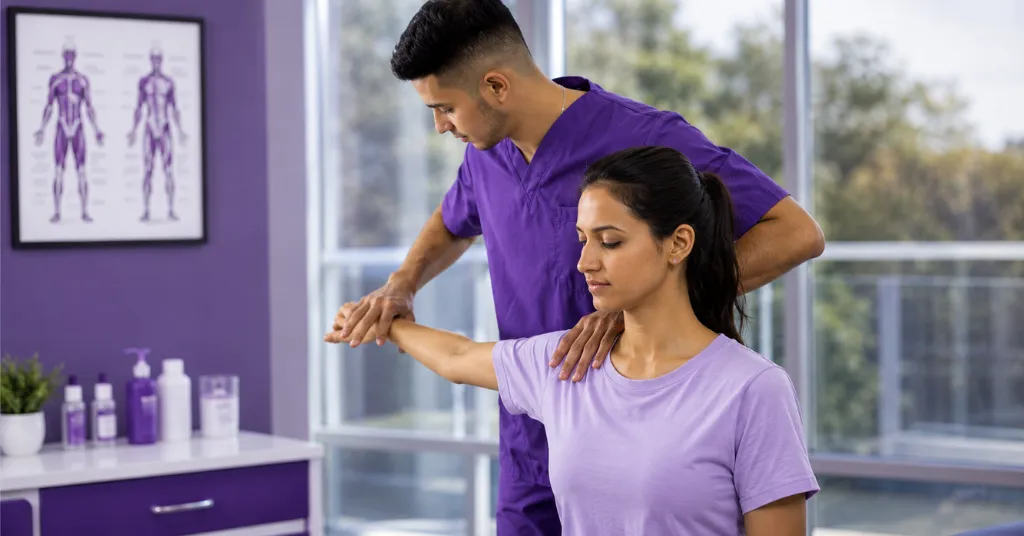
Recovery, strength, and comfort do not always come from medication alone. Physiotherapy helps the body heal, move better, and function well — whether you are recovering from surgery, managing a long-term condition, preparing for childbirth, or rebuilding strength after delivery. At THAAIMAI Hospital, Physiotherapy in Chennai is provided by a trained, experienced team with a clear focus on women’s health at every stage of life.
Targeted movement, exercise, and manual therapy tailored to individual history and goals, progressing gradually under qualified guidance.
Improves recovery, reduces discomfort, and supports wellbeing for conditions ranging from post-surgical stiffness to chronic pelvic pain.
Designed for women across all life stages, from pregnancy and postpartum recovery to post-surgical rehabilitation and pain management.
First session includes a history review, physical evaluation, and an individualised plan with clear, measurable targets tailored to your goals.
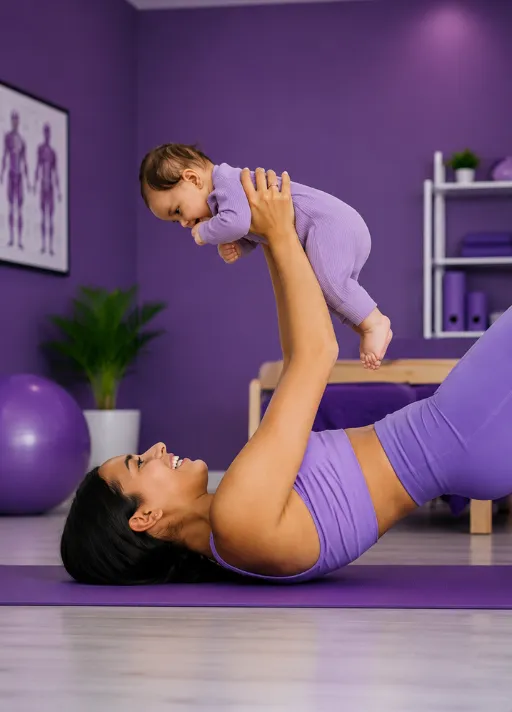
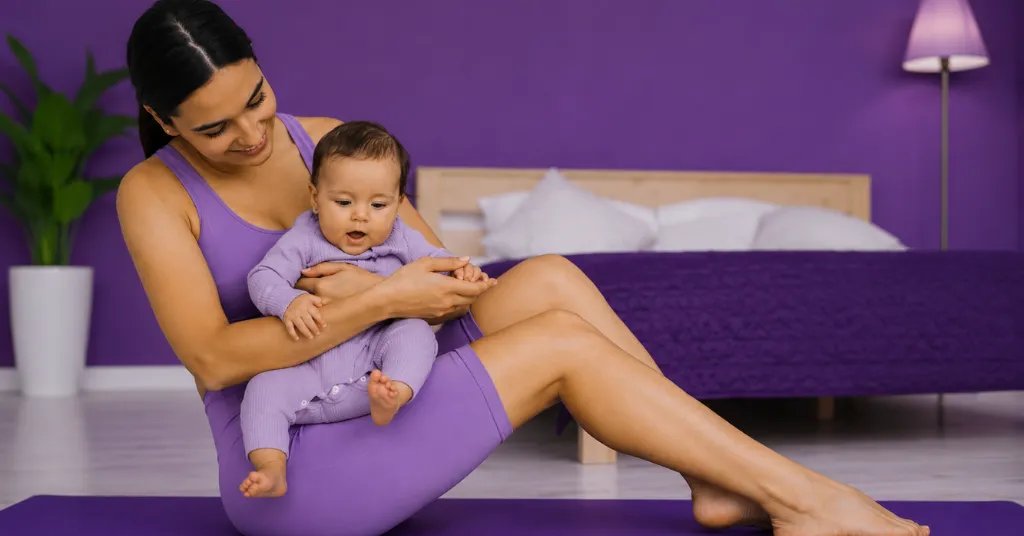
Childbirth places significant demands on the body — and recovery after delivery is a process, not an event. Whether you have had a vaginal birth or a caesarean section, postpartum physiotherapy helps the body recover properly, restores strength and function, and addresses the physical changes that come with becoming a mother.
Delivery significantly stresses pelvic floor and abdominal muscles, with weakness, diastasis recti, back pain, and poor posture persisting without proper rehabilitation.
Tailored to each mother’s delivery experience, covering pelvic floor rehabilitation, abdominal strengthening, posture correction, and safe return to physical activity.
Gentle exercises can begin within the first few weeks, with active rehabilitation from six weeks onwards — meaningful improvement is possible even years after delivery.

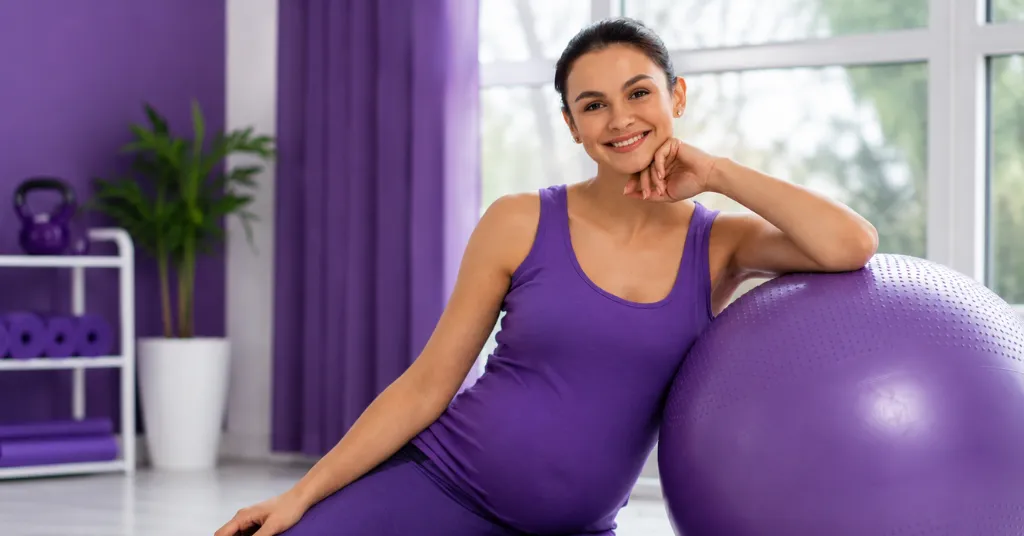
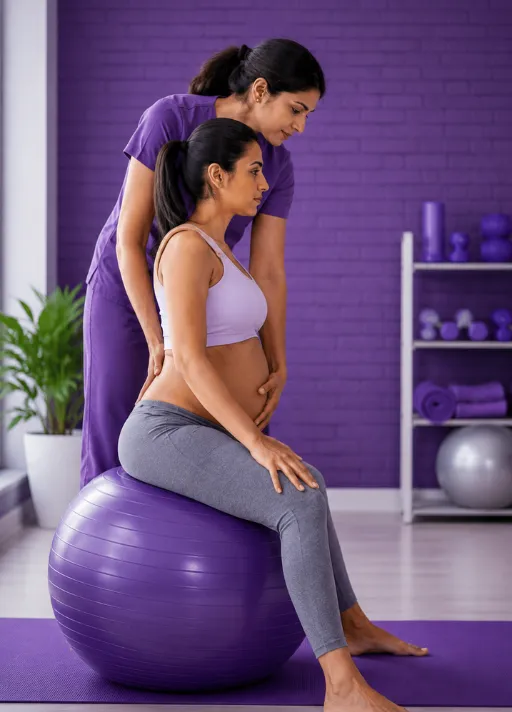
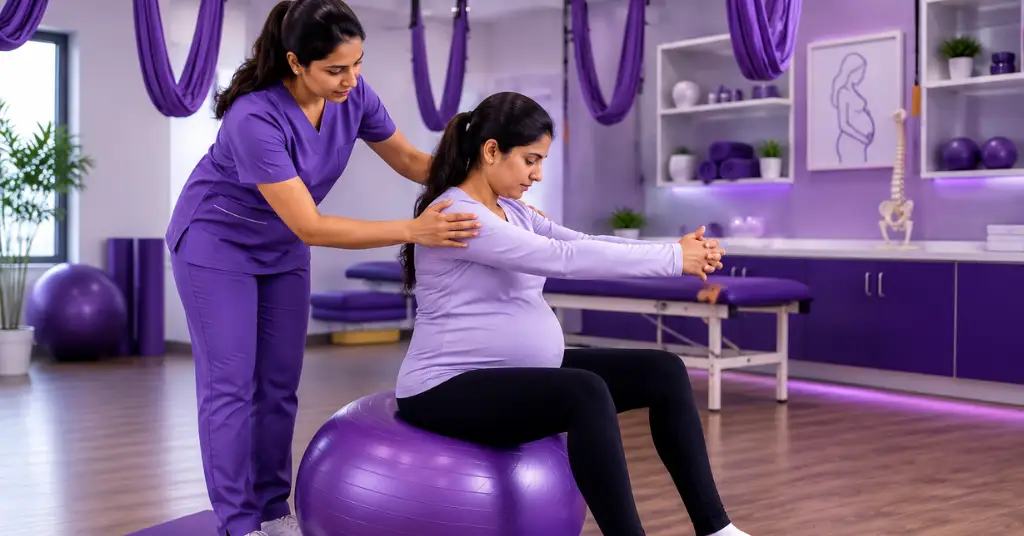
Pregnancy changes the body in significant ways over a relatively short period of time. The growing uterus shifts the centre of gravity, hormonal changes relax the joints and ligaments, and postural demands on the spine and pelvis increase throughout each trimester. Pre-natal physiotherapy helps the body adapt to these changes comfortably and prepares it well for labour and delivery.
Physiotherapy-guided exercise significantly reduces back pain, pelvic discomfort, swelling, and fatigue, improving daily function throughout pregnancy.
Covers pregnancy-appropriate exercises, breathing techniques, postural guidance, and education on helpful positions during labour, with the programme adapting as pregnancy progresses.
Safe throughout pregnancy when guided by a trained team working alongside the obstetric team, with all exercises designed around the stage of pregnancy and individual health needs.
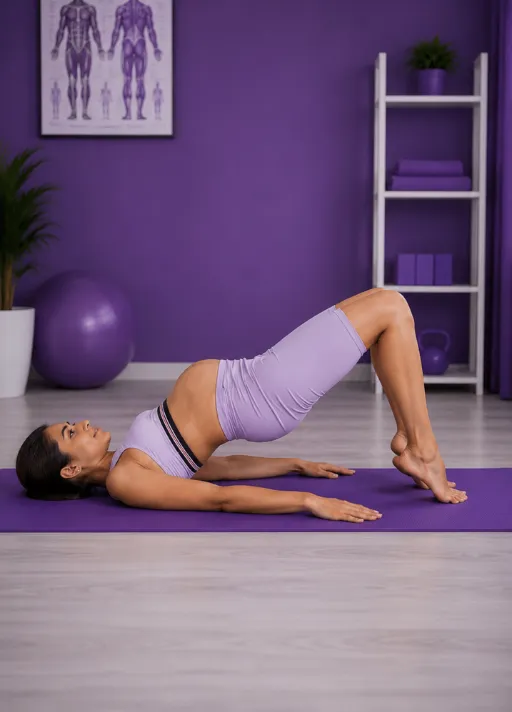
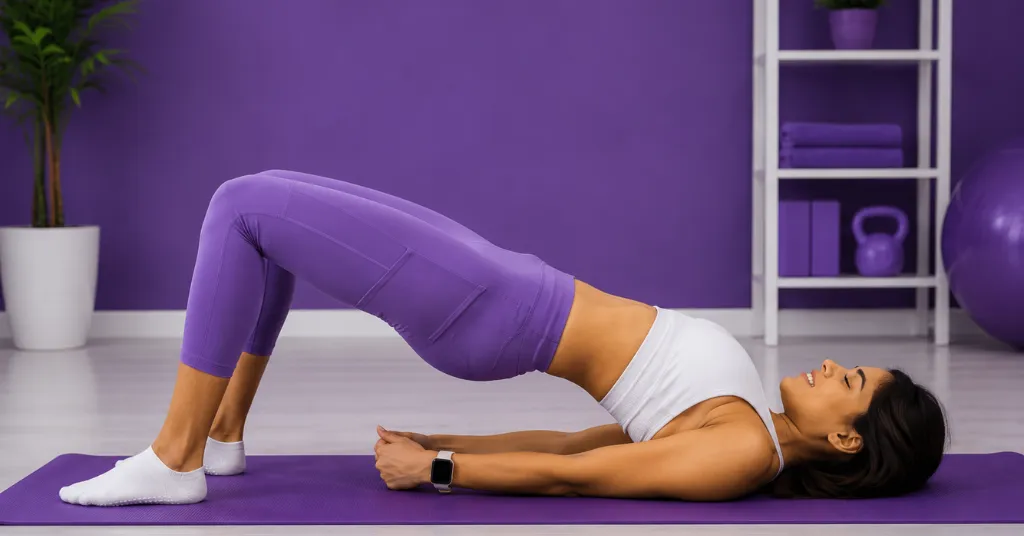
The pelvic floor is a group of muscles that sit at the base of the pelvis, supporting the bladder, bowel, and uterus. These muscles play a role in bladder and bowel control, sexual function, and core stability. When the pelvic floor is weakened, overactive, or not functioning well, it can affect daily life in ways that many women find difficult to talk about — but which are very commonly experienced and very much treatable.
Addresses incontinence, pelvic heaviness, pain during intercourse, difficulty emptying bladder or bowel, and pelvic pain during daily activities.
Assessment identifies muscle weakness or overactivity, followed by targeted exercises, manual therapy, biofeedback, and lifestyle guidance.
Women during and after pregnancy, following pelvic surgery, experiencing menopausal bladder changes, or managing chronic pelvic pain.

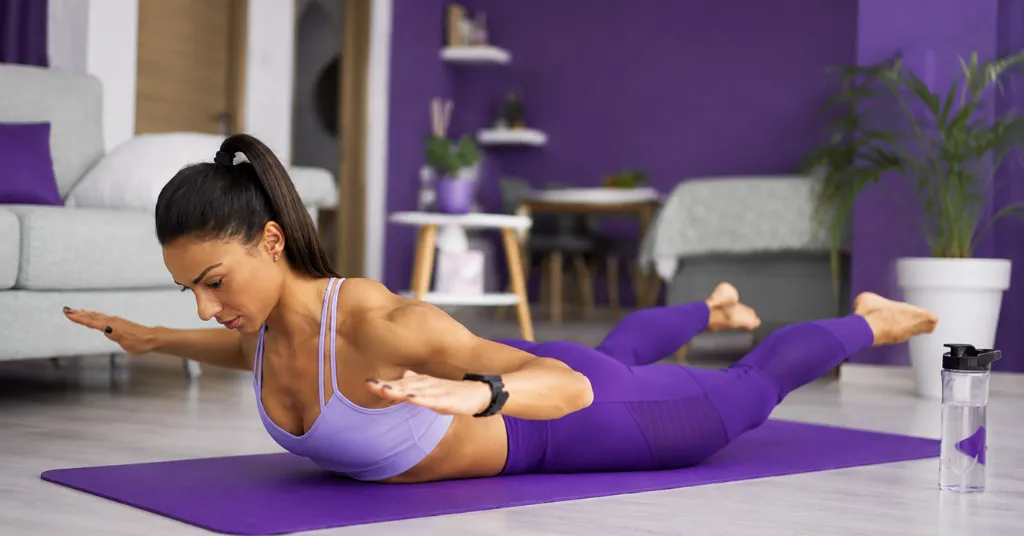
The core is not just the abdominal muscles — it includes the deep muscles of the abdomen, the back, the pelvic floor, and the diaphragm working together as a system. A strong, well-coordinated core supports the spine, improves posture, reduces pain, and makes everyday movements easier and safer. After pregnancy, surgery, or a period of reduced activity, rebuilding core strength needs to be done carefully and in the right sequence.
Core rehabilitation always begins with a pelvic floor assessment, ensuring a stable foundation before progressive strengthening to avoid worsening symptoms like leaking or prolapse.
Sessions progress from deep stabilising muscles outward, incorporating diaphragmatic breathing, abdominal and pelvic floor coordination, and functional postural movements.
The team assesses readiness and builds a safe, structured return-to-exercise plan after pregnancy or surgery, without rushing a body still recovering.
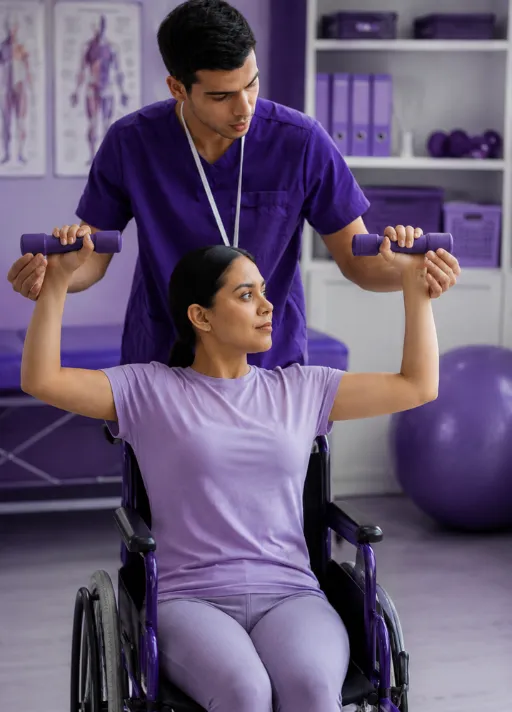
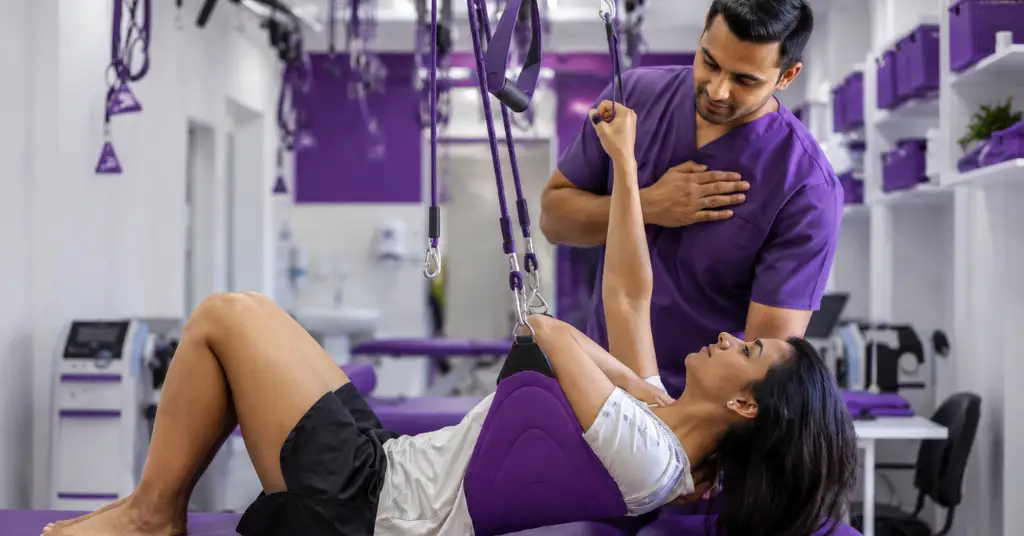
Surgery — whether a caesarean section, hysterectomy, myomectomy, or any other gynaecological procedure — leaves the body needing structured support to recover well. Post-surgical rehabilitation through physiotherapy speeds up the healing process, restores normal movement and strength, and reduces the risk of complications like scar tissue adhesions or prolonged weakness.
Early physiotherapy prevents compensatory movement patterns, muscle imbalances, and ongoing pain, guiding recovery in the right direction long term.
Progresses from breathing, gentle movement, and scar management toward full strength, with pelvic floor rehabilitation integrated for pelvic surgeries.
Gentle scar massage and mobilisation keep scar tissue pliable, reducing sensitivity and preventing restriction from affecting movement and comfort.
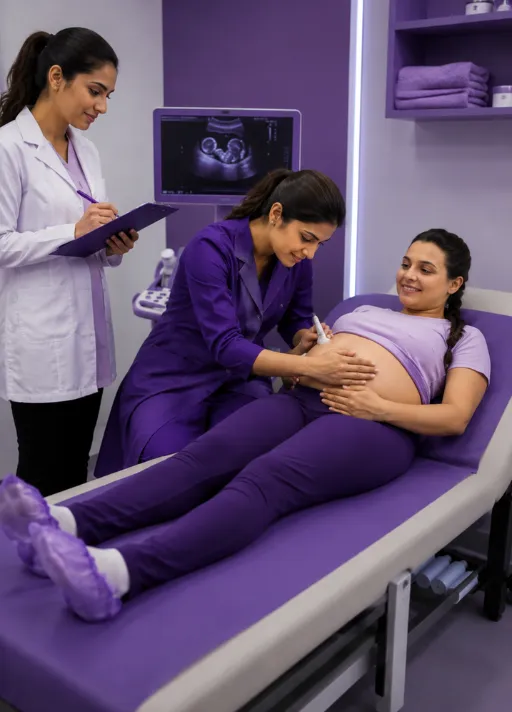
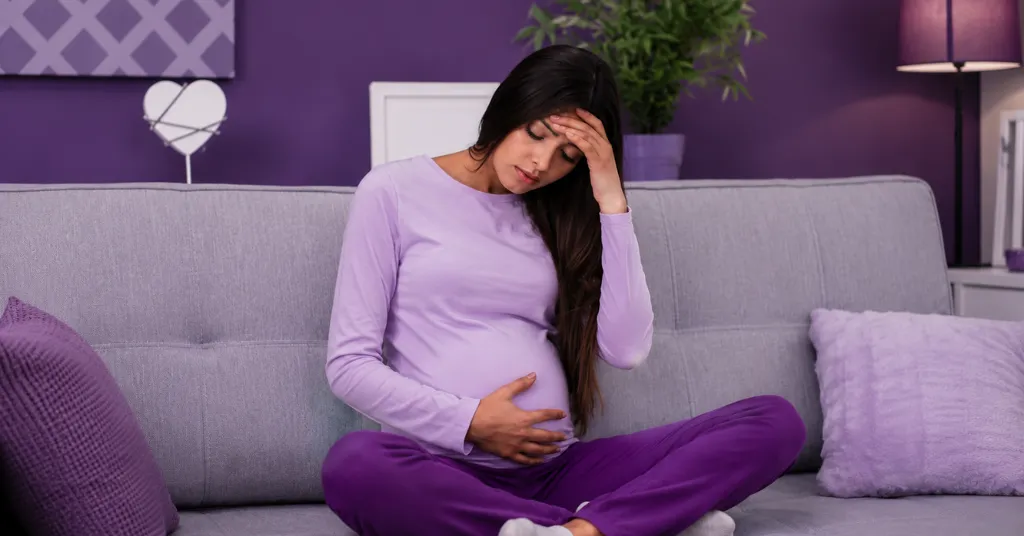
Pain that has been present for more than three months is considered chronic, and it behaves differently from acute pain. It is not always directly linked to ongoing tissue damage — over time, the nervous system can become sensitised, and pain becomes part of a cycle that needs to be addressed from several angles at once. Physiotherapy plays an important role in breaking this cycle and helping women regain control over their daily lives.
We address chronic pelvic pain, endometriosis-related pain, post-pregnancy lower back and pelvic girdle pain, pelvic floor dysfunction, and unresolved post-surgical pain.
muscle tension, movement avoidance, poor posture, sleep disruption, and stress — through hands-on therapy, targeted exercise, breathing techniques, and patient education for active, informed recovery.
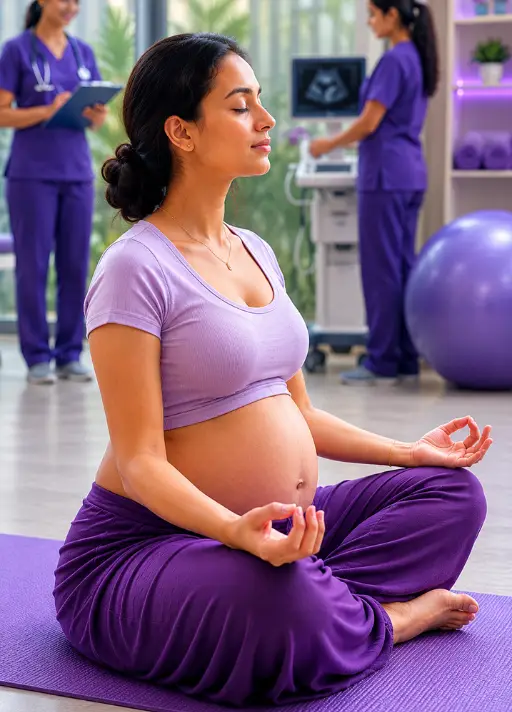
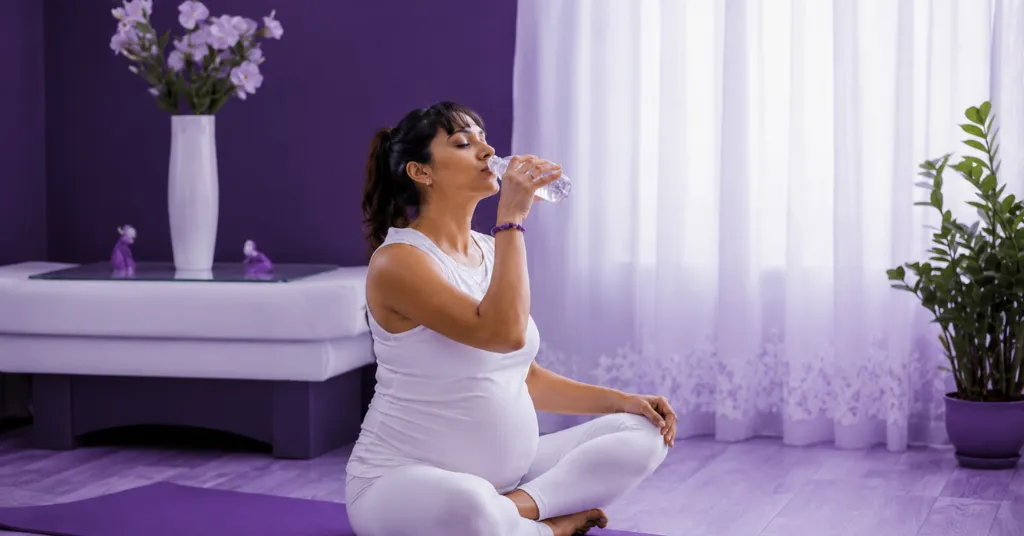
Breathing is something the body does automatically — but how we breathe has a direct impact on our nervous system, our pelvic floor, our core stability, and our ability to manage pain and stress. Shallow, tense breathing patterns are common in women dealing with chronic pain, anxiety, or physical tension. Teaching the body to breathe well is one of the most fundamental parts of physiotherapy at THAAIMAI Hospital.
Every baby receives a thorough physical examination immediately after birth, assessing vital signs, weight, temperature, and feeding ability to confirm healthy adaptation.
Physiotherapy uses progressive muscle relaxation, body scans, and guided breathing — practised in sessions and at home. These become essential daily tools for managing chronic pain, pelvic tension, and stress.
Breathing techniques taught in pre-natal physiotherapy support pain management during contractions and give women an active coping tool throughout labour. Repeated practice ensures they become instinctive when needed most.
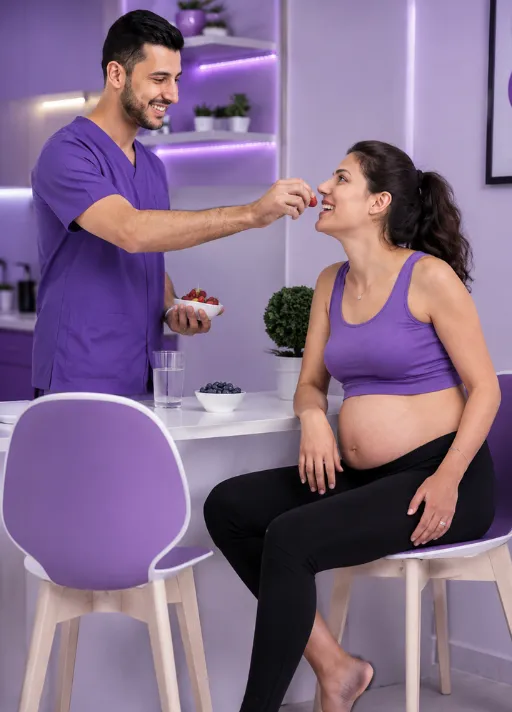
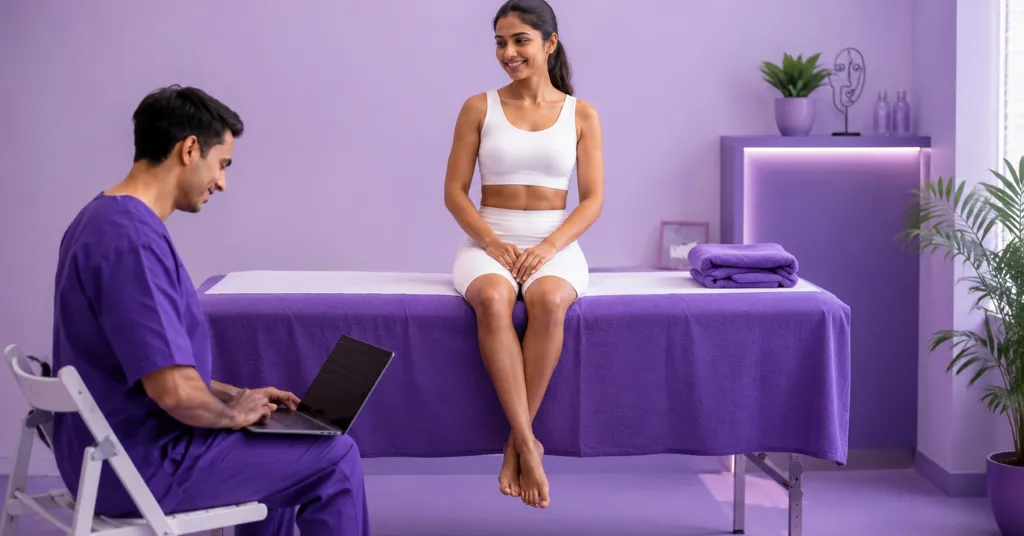
The way we sit, stand, move, and carry things throughout the day has a direct impact on our musculoskeletal health. Poor ergonomics — at a desk, while feeding a baby, during household tasks, or in the car — places repeated strain on the spine, shoulders, and pelvis that adds up over time. Physiotherapy-based ergonomics education helps women understand their own movement habits and make practical adjustments that reduce strain and prevent pain from developing or worsening.
Feeding, carrying, and lifting strain the neck, shoulders, and back — our team provides practical positioning guidance to prevent postural pain from becoming persistent.
We assess workstation setup, lifting techniques, and posture — supporting women through changing physical demands during and after pregnancy.
Ergonomic guidance during pregnancy and postpartum prevents back pain, shoulder tension, and pelvic discomfort — integrated as standard within our physiotherapy programmes.
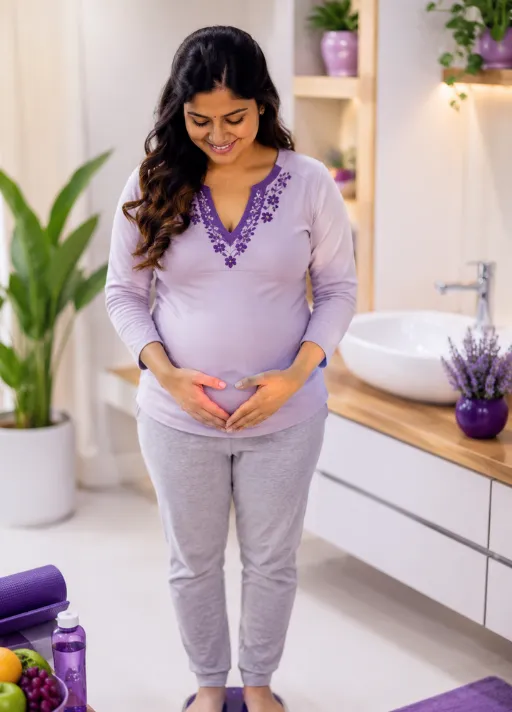

Weight management is closely connected to musculoskeletal health, hormonal balance, pelvic floor function, and overall wellbeing. For women dealing with conditions like PCOS, postpartum weight gain, or chronic pain that is aggravated by excess body weight, physiotherapy-guided exercise forms an important part of a broader health plan. At THAAIMAI Hospital, weight reduction support through physiotherapy is always approached in a practical, non-judgmental, and sustainable way.
Not all exercise suits every stage of recovery — our team designs safe, graduated programmes that build strength without straining healing or vulnerable areas.
We take a long-term view, gradually increasing activity and teaching movement patterns women can maintain consistently for lasting results.
Exercise paired with nutritional support delivers better outcomes — our team coordinates across disciplines to ensure each woman receives a comprehensive plan.


What we eat directly affects how the body heals, how much energy we have, how hormones are balanced, and how well we manage weight over time. For women at different stages of life — during pregnancy, postpartum recovery, managing PCOS, or working through rehabilitation — the right nutritional guidance makes a meaningful difference to how the body responds to physiotherapy and overall treatment.
Our dieticians help pregnant women meet nutritional demands, manage nausea, and maintain healthy weight gain throughout each trimester.
Practical dietary guidance supports healing, energy, and milk production — nourishing new mothers without adding complexity to an already demanding time.
Specialist guidance addresses insulin levels, hormonal balance, and weight — supporting ovulation, managing symptoms, and improving long-term metabolic health.
Protein, anti-inflammatory foods, and hydration underpin recovery from surgery or chronic pain — integrated as standard within care at THAAIMAI Hospital.